Sam’s Weather Station
Data Visualised
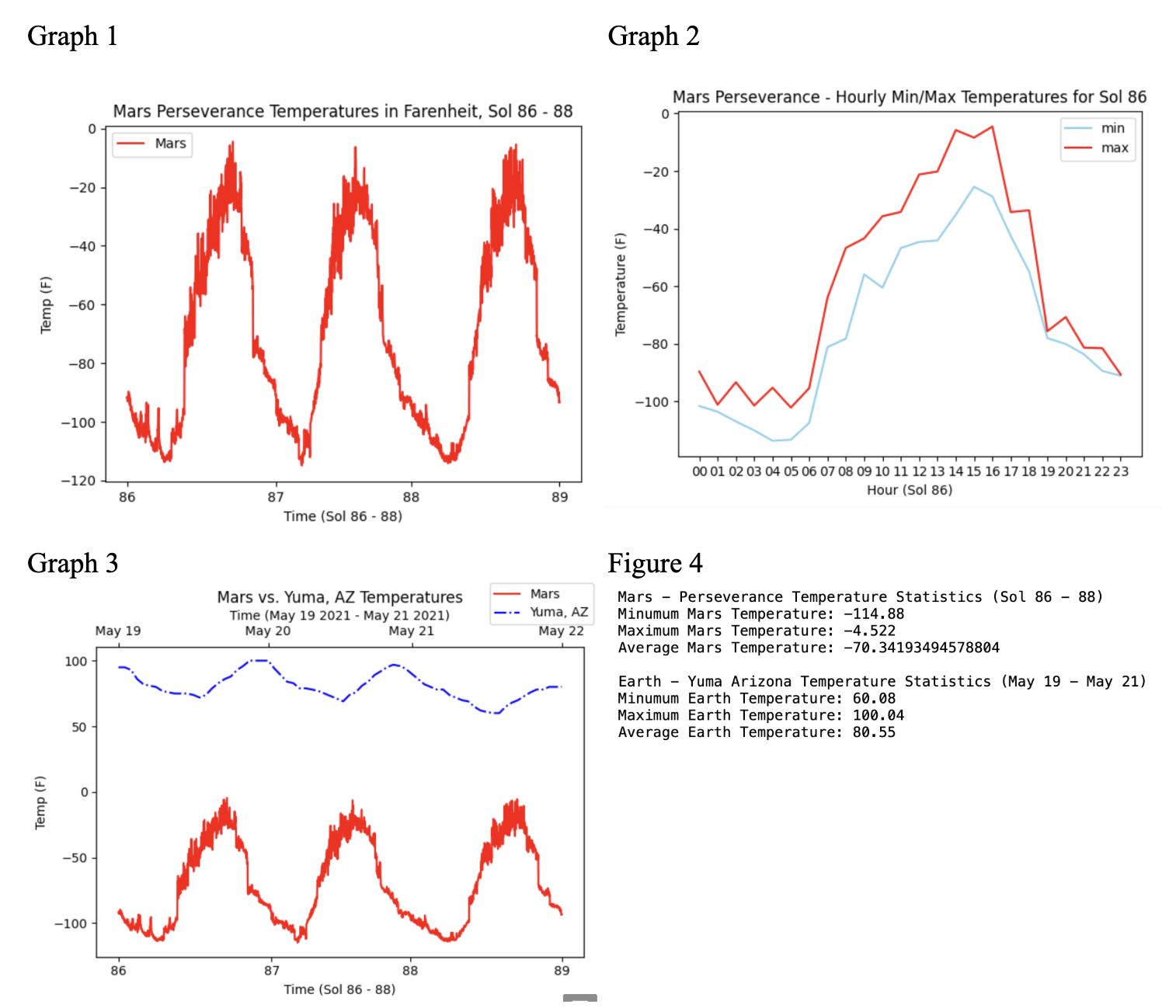
Graph 1: Mars Perseverance Temperatures in Fahrenheit, Sol 86–88
Graph 2: Mars Perseverance Hourly Min/Max Temperatures for Sol 86
Graph 3: Mars vs. Yuma, Arizona Temperatures
Figure 4: Mars and Earth Temperature Statistics Summary
As you saw from the description, I diverged from simulations and worked on Python-based data extraction and visualization for this project—with a little bit more time on my hands in the first week of break, I had time to do a bit more of the boring stuff—at least the data visualization turned out nice!
Using CSV files, I imported Mars Perseverance temperature data from Sol 86–88 and Earth temperature data from Yuma, Arizona. I used Python to read the datasets, extract the temperature columns, and calculate basic statistics, including the minimum, maximum, and average temperatures. These statistics were then summarized in Figure 4, which gave a direct numerical comparison between the two datasets.
I then used matplotlib to create multiple visualizations from the data. Graph 1 showed Mars Perseverance temperatures in Fahrenheit over Sol 86–88, making it easier to see how temperatures changed over time. Graph 2 focused on the hourly minimum and maximum temperatures on Mars during Sol 86, showing the large daily temperature range. Graph 3 compared Mars temperatures with those in Yuma, Arizona, which helped show how extreme the Martian environment is, even compared to one of Earth’s hotter desert locations.
I know these projects are a bit rudimentary; I’m planning on dipping my toes into a variety of Astrophysics-related mini-projects, and so far it’s been pretty fun!
